Why Is My Tuxedo Cat So Clingy?
Discover why your tuxedo cat is clingy, what causes this behavior, and how to manage their affectionate nature effectively.
Introduction
Your tuxedo cat’s clingy behavior can be both endearing and puzzling. You might wonder why your feline friend follows you everywhere or demands constant attention. Understanding the reasons behind this clinginess helps you build a stronger bond and meet your cat’s needs better.
In this article, we’ll explore the common causes of clingy behavior in tuxedo cats and share practical tips on how to handle their affectionate nature without feeling overwhelmed.
What Is a Tuxedo Cat?
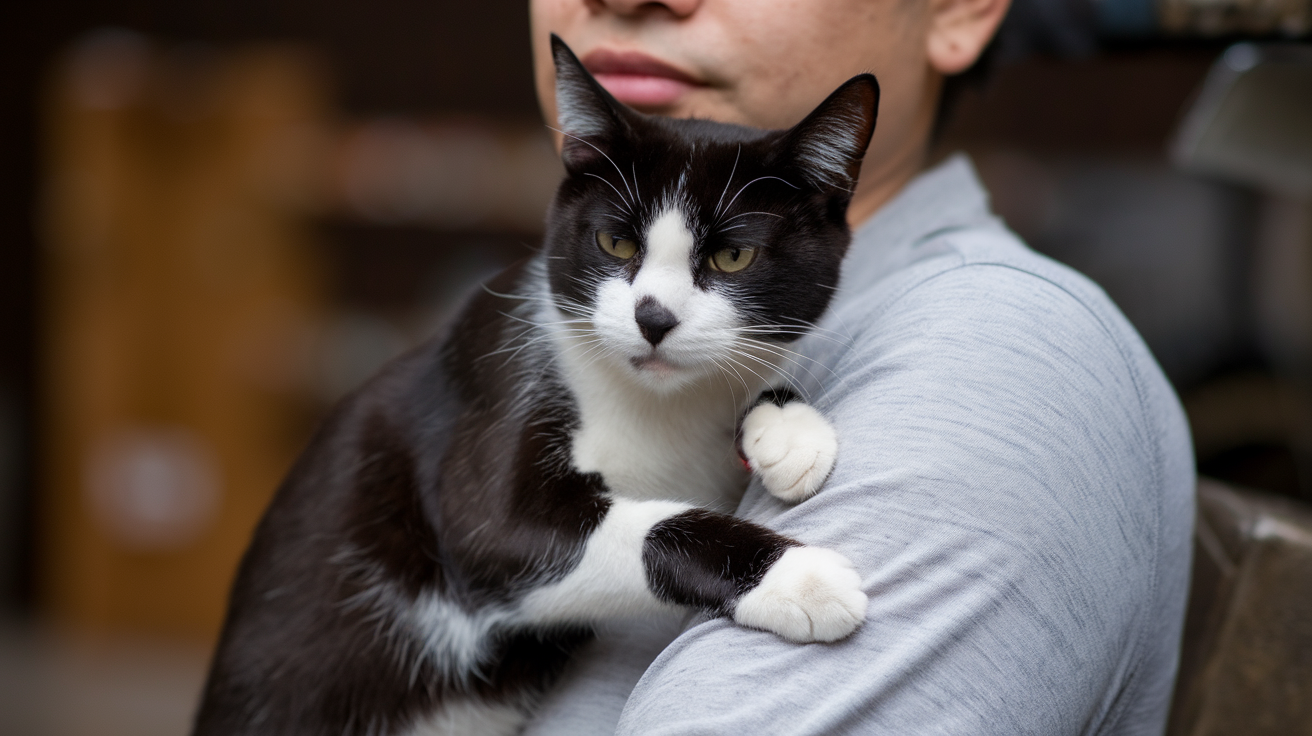
Tuxedo cats are not a breed but a color pattern. They have distinctive black and white markings resembling a formal tuxedo suit. This pattern appears in many breeds and mixed cats. Their personality traits can vary widely, but many owners notice their tuxedo cats are especially social and attached.
Reasons Why Your Tuxedo Cat Is Clingy
Clinginess in tuxedo cats can stem from several factors. Here are the main reasons your cat might be extra needy:
- Strong Social Bonds:
Tuxedo cats often form close attachments to their owners and enjoy being near them.
- Seeking Comfort and Security:
Cats may become clingy if they feel anxious or insecure, especially after changes in their environment.
- Attention and Play Needs:
These cats can be very playful and crave interaction, leading to clingy behavior when bored.
- Health Issues:
Sometimes clinginess signals discomfort or illness, prompting your cat to seek reassurance.
- Early Life Experiences:
Cats separated early from their mother or littermates may develop stronger attachment behaviors.
How to Tell If Your Cat’s Clinginess Is Normal or a Concern
Not all clinginess is problematic. It’s important to observe your tuxedo cat’s overall behavior and health. Look for these signs:
Is your cat eating, drinking, and using the litter box normally?
Does your cat show signs of stress, like excessive grooming or hiding?
Has there been a recent change in your home, such as moving or new pets?
Is your cat vocalizing more than usual or acting restless?
If your cat’s clinginess comes with unusual symptoms, a vet visit is recommended to rule out health issues.
Tips to Manage Your Clingy Tuxedo Cat
Here are practical ways to support your affectionate tuxedo cat without feeling overwhelmed:
- Set Regular Playtimes:
Engage your cat with interactive toys to burn energy and satisfy their need for attention.
- Create Safe Spaces:
Provide cozy spots where your cat can retreat and feel secure when they want alone time.
- Maintain Routine:
Cats thrive on predictability, so keep feeding and play schedules consistent.
- Use Positive Reinforcement:
Reward calm behavior with treats or affection to encourage independence.
- Consider Pheromone Products:
Synthetic cat pheromones can reduce anxiety and help your cat feel more relaxed.
When to Seek Veterinary Advice
If your tuxedo cat’s clinginess suddenly increases or is paired with other symptoms like lethargy, loss of appetite, or aggression, consult your vet. Medical conditions such as pain, cognitive dysfunction, or thyroid issues can cause behavioral changes.
Early diagnosis and treatment improve your cat’s quality of life and help manage clingy behavior effectively.
Understanding Your Cat’s Unique Personality
Every tuxedo cat is different. Some are naturally more social and affectionate, while others prefer solitude. By paying attention to your cat’s cues, you can tailor your care to their personality.
Remember, clinginess often reflects your cat’s trust and love. With patience and understanding, you can enjoy a close, happy relationship with your tuxedo companion.
Conclusion
Your tuxedo cat’s clingy behavior is usually a sign of affection and a desire for connection. Recognizing the reasons behind their neediness helps you respond with care and patience.
By providing consistent attention, safe spaces, and regular play, you can support your cat’s emotional needs while encouraging healthy independence. If you notice worrying symptoms, don’t hesitate to seek veterinary advice to keep your tuxedo cat happy and healthy.
Why do tuxedo cats tend to be clingy?
Tuxedo cats often have strong social bonds and enjoy close interaction with their owners. Their affectionate nature can make them more clingy than other cats.
Can stress cause my tuxedo cat to be clingy?
Yes, stress from changes like moving or new pets can make your cat seek extra comfort and attention, leading to clingy behavior.
How can I help my clingy tuxedo cat feel secure?
Provide cozy hiding spots, maintain a consistent routine, and use interactive play to help your cat feel safe and content.
Is clinginess a sign of illness in cats?
Sometimes. If clinginess is sudden and comes with other symptoms like lethargy or loss of appetite, consult a vet to rule out health problems.
Are tuxedo cats more affectionate than other cats?
Many tuxedo cats are known for their affectionate and social personalities, but individual temperament varies widely among cats.