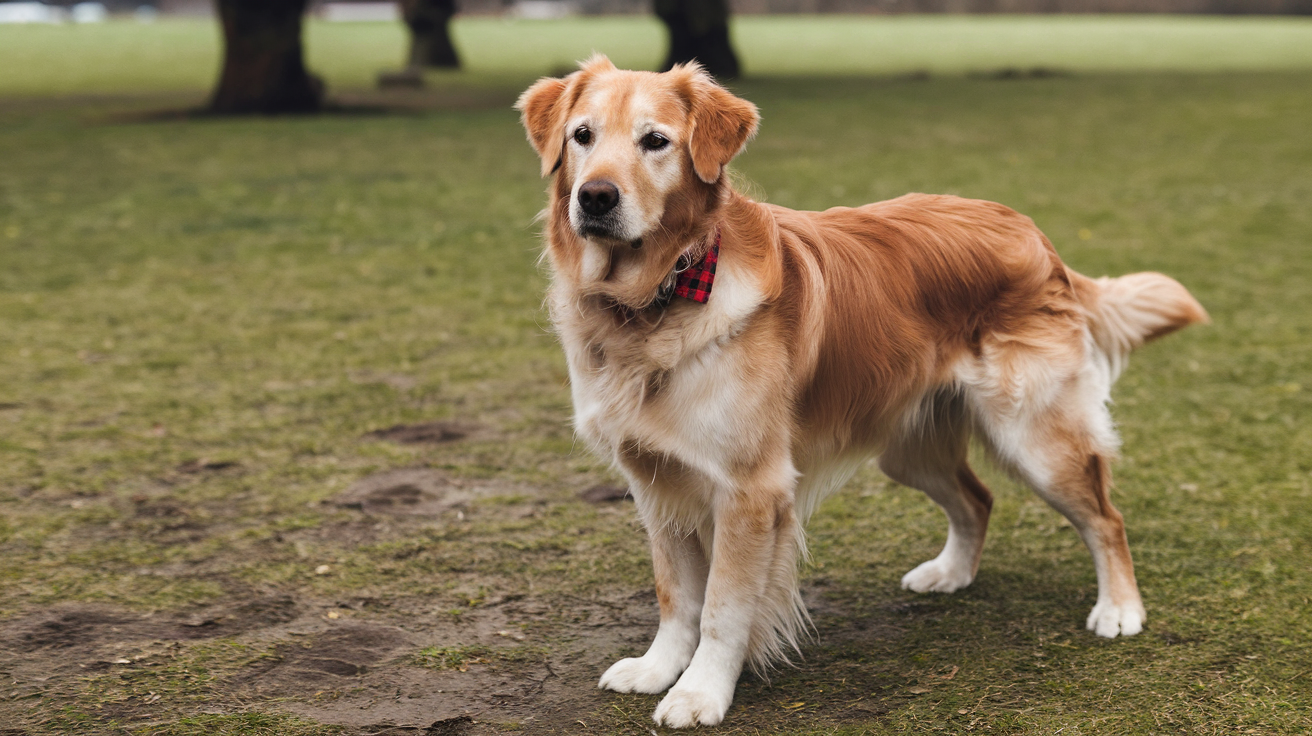
How to Train Dog to Use Bathroom Outside
Learn effective, step-by-step methods to train your dog to use the bathroom outside, ensuring a clean home and happy pet.
Introduction
Training your dog to use the bathroom outside is essential for a clean home and your pet's well-being. It requires patience, consistency, and understanding your dog's behavior.
By following proven techniques, you can help your dog learn where and when to relieve itself, making life easier for both of you. This guide covers practical steps to achieve successful outdoor bathroom training.
Understanding Your Dog's Bathroom Needs
Before training, it’s important to recognize your dog’s natural bathroom habits. Dogs usually need to relieve themselves after eating, playing, or waking up.
Knowing these patterns helps you schedule bathroom breaks effectively and prevent accidents inside your home.
Dogs typically need to urinate every 2 to 4 hours, so regular breaks help reduce indoor accidents and reinforce outdoor habits.
Puppies have smaller bladders and require more frequent bathroom trips, which is crucial for successful training and avoiding frustration.
Recognizing signs like sniffing or circling can alert you that your dog needs to go, allowing timely outdoor trips.
Feeding your dog on a consistent schedule helps predict bathroom times and supports a structured training routine.
Understanding these needs sets a foundation for effective outdoor bathroom training and helps you respond promptly to your dog’s cues.
Setting Up a Bathroom Spot Outside
Choosing a specific outdoor area for your dog to use as a bathroom spot encourages consistency and helps your dog associate that place with relieving itself.
This designated spot should be quiet, accessible, and free from distractions to make your dog comfortable during bathroom breaks.
A consistent bathroom spot helps your dog learn faster by associating the area with the act of relieving itself, reducing confusion.
Choosing a spot away from high-traffic or noisy areas minimizes distractions and anxiety, making the dog more willing to go.
Easy access to the spot encourages frequent visits and reduces the chance of indoor accidents due to delays.
Using the same location also helps contain odors and makes cleaning easier for you as a pet owner.
Establishing a clear bathroom spot is a key step in creating a reliable outdoor routine for your dog.
Creating a Consistent Bathroom Schedule
Dogs thrive on routine, so setting a regular schedule for bathroom breaks helps them learn when and where to go outside.
Consistency in timing reinforces good habits and reduces accidents by meeting your dog’s natural needs promptly.
Taking your dog outside first thing in the morning helps empty their bladder after a night’s sleep and starts the day positively.
Scheduling bathroom breaks after meals aligns with your dog’s digestion cycle, making it more likely they’ll need to go.
Regular intervals during the day, such as every 2-4 hours, prevent discomfort and accidents inside your home.
Evening bathroom trips before bedtime help your dog hold it overnight and reduce the risk of nighttime accidents.
Maintaining a consistent schedule builds trust and understanding between you and your dog, making training smoother.
Using Positive Reinforcement Techniques
Positive reinforcement is a powerful tool in training your dog to use the bathroom outside. Rewarding good behavior encourages your dog to repeat it.
By praising and treating your dog immediately after they relieve themselves outdoors, you create a strong connection between the action and the reward.
Praise your dog enthusiastically right after they finish to help them associate outdoor bathroom use with positive attention.
Offering a small treat immediately after successful bathroom trips reinforces the behavior and motivates your dog.
Using a consistent verbal cue like "Go potty" during bathroom breaks helps your dog understand what you expect.
Avoid punishing accidents inside, as this can create fear and confusion, hindering training progress.
Positive reinforcement builds confidence and encourages your dog to choose the outdoor bathroom spot willingly.
Handling Accidents and Setbacks
Accidents are a normal part of the training process. How you handle them can impact your dog’s learning and your patience.
Responding calmly and consistently helps your dog understand expectations without fear or anxiety.
Clean accidents thoroughly with enzyme-based cleaners to remove odors and prevent repeat incidents in the same spot.
Never punish or yell at your dog for accidents, as this can damage trust and slow training progress.
Observe your dog’s behavior to identify triggers or missed signals that lead to accidents and adjust your schedule accordingly.
Be patient and consistent, remembering that setbacks are temporary and part of the learning curve for your dog.
Managing accidents with understanding helps maintain a positive training environment and strengthens your bond.
Additional Tips for Successful Outdoor Bathroom Training
Beyond the basics, certain strategies can improve your dog’s outdoor bathroom training experience and make it more effective.
These tips help address common challenges and support your dog’s comfort and confidence.
Use a leash during bathroom breaks to keep your dog focused on the task and prevent distractions or wandering.
Gradually increase the time between bathroom breaks as your dog gains better bladder control and understanding.
Monitor your dog’s health and hydration, as changes can affect bathroom habits and training needs.
Be consistent with commands and routines even when traveling or in new environments to maintain training progress.
Incorporating these tips enhances your training efforts and helps your dog become reliably house-trained outdoors.
Conclusion
Training your dog to use the bathroom outside takes time, patience, and consistency. Understanding your dog’s needs and setting a clear routine are essential steps.
By using positive reinforcement, managing accidents calmly, and creating a designated bathroom spot, you can help your dog develop good habits. This leads to a cleaner home and a happier, healthier pet.
FAQs
How long does it usually take to train a dog to go outside?
Training time varies but typically takes several weeks of consistent effort. Puppies may need more time, while adult dogs can learn faster with regular routines.
What should I do if my dog refuses to go outside?
Check for distractions or fears outside. Try a quiet spot, use a leash, and reward any progress. Consult a vet if anxiety persists.
Can I train my dog to use a potty pad indoors instead?
Yes, potty pads can be used, but transitioning to outdoor training is recommended for long-term hygiene and behavior benefits.
How often should I take my dog outside for bathroom breaks?
Generally, every 2-4 hours is ideal, with more frequent breaks for puppies or senior dogs to prevent accidents.
Is it normal for accidents to happen during training?
Yes, accidents are common and part of learning. Stay patient, clean thoroughly, and avoid punishment to encourage progress.