Can a Cat Outrun a Coyote?
Explore whether a cat can outrun a coyote, including their speeds, behaviors, and safety tips to protect your cat from wild predators.
Introduction
When you think about wild predators, coyotes often come to mind as fast and clever hunters. If you have a cat, you might wonder, can a cat outrun a coyote? Understanding this can help you keep your feline friend safe.
In this article, we'll explore the speed and agility of both animals, their behaviors, and what you can do to protect your cat from potential danger.
How Fast Can a Coyote Run?
Coyotes are known for their speed and endurance. They can run up to 40 miles per hour in short bursts. This speed helps them catch prey or escape threats quickly.
Coyotes use their speed mainly for hunting small animals.
They are also very agile, able to change direction swiftly.
Coyotes can maintain a steady pace for long distances.
How Fast Can a Cat Run?
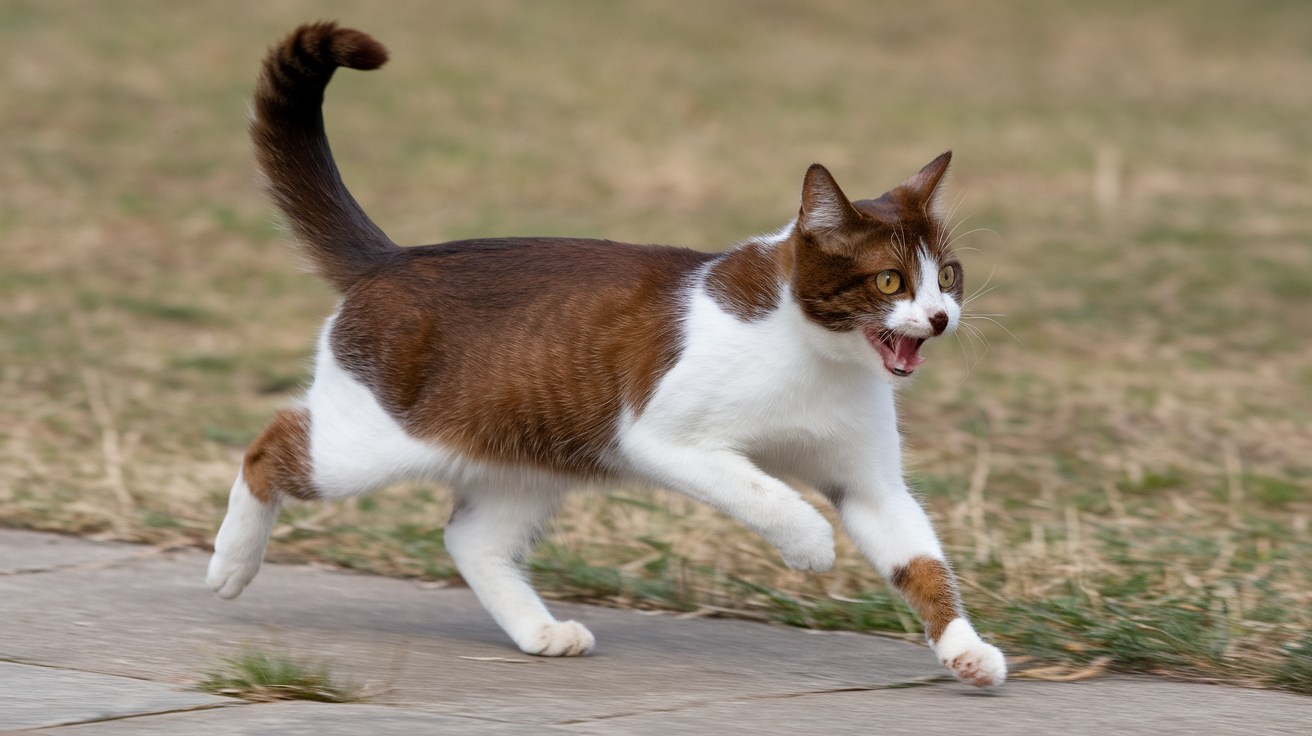
Domestic cats are surprisingly quick and agile. They can sprint up to 30 miles per hour, but only for very short distances. Cats rely on quick bursts of speed and sharp turns to evade danger.
Cats use their agility to climb trees or jump to safety.
They can accelerate quickly but tire fast.
Most cats prefer to hide rather than outrun predators.
Can a Cat Outrun a Coyote?
While a cat can reach impressive speeds, it generally cannot outrun a coyote in a straight sprint. Coyotes are faster and have better endurance. However, cats have an advantage in agility and can escape by climbing or hiding.
Coyotes can catch cats on open ground due to their speed.
Cats often escape by climbing trees or squeezing into small spaces.
A cat’s survival depends more on quick thinking than pure speed.
Behavioral Differences That Affect Escape
Coyotes are predators that hunt by stalking and chasing. Cats are prey animals that rely on stealth and hiding. This difference affects how each animal reacts in a confrontation.
Coyotes may chase if they see an opportunity but often avoid humans.
Cats tend to freeze, hide, or flee when threatened.
Understanding these behaviors helps in protecting your cat.
How to Protect Your Cat from Coyotes
Keeping your cat safe from coyotes involves preventing encounters and knowing what to do if one appears.
Keep cats indoors, especially at dawn and dusk when coyotes are most active.
Supervise outdoor time or use a secure cat enclosure.
Remove food sources like pet food or trash that attract coyotes.
Install motion-activated lights or noise devices to deter coyotes.
What to Do If You Encounter a Coyote
If you see a coyote near your home, stay calm and keep your cat inside. Make yourself appear large and loud to scare the coyote away.
Do not run or turn your back on the coyote.
Use noise makers or throw objects near (not at) the coyote to frighten it.
Report aggressive coyote behavior to local wildlife authorities.
Conclusion
While cats are fast and agile, they cannot outrun a coyote in a straight race. Coyotes are faster and more persistent hunters. Your cat’s best defense is quick thinking, agility, and your help in keeping it safe.
By understanding the speed and behavior differences and taking preventive steps, you can protect your cat from coyote encounters and keep your furry friend safe and happy.
FAQs
Can a cat climb trees to escape a coyote?
Yes, cats are excellent climbers and often escape predators like coyotes by climbing trees where coyotes cannot follow.
Are coyotes a common threat to outdoor cats?
In areas where coyotes live near human homes, outdoor cats can be at risk, especially during dawn and dusk when coyotes hunt.
How fast is a coyote compared to a domestic cat?
Coyotes can run up to 40 mph, while domestic cats can sprint around 30 mph, but only for short distances.
Should I let my cat roam outside if coyotes are nearby?
It's safer to keep cats indoors or supervised outside to reduce the risk of coyote attacks.
What signs indicate a coyote is near my home?
Signs include tracks, howling at night, scat, or sightings near your yard, especially around food sources.