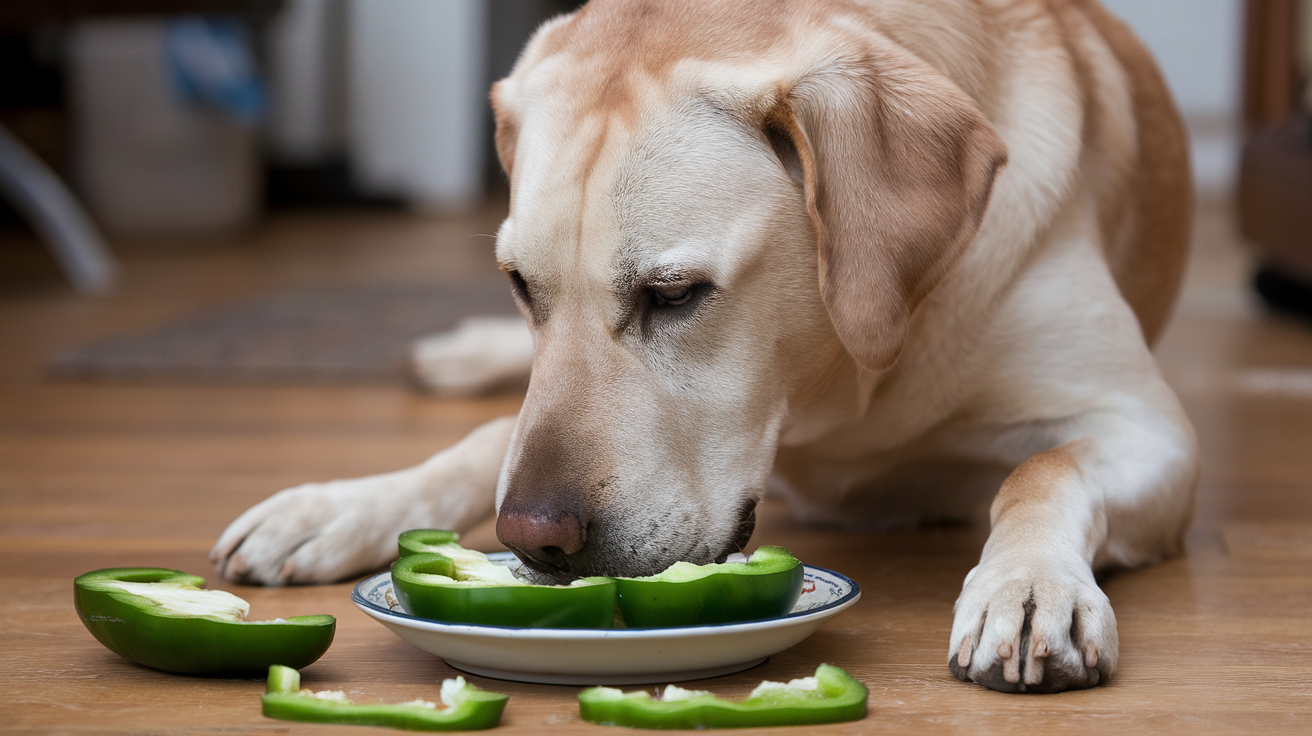
Can Dogs Eat Apple Cores Safely?
Learn if dogs can safely eat apple cores, the risks involved, and how to feed apples to your dog without harm.
Introduction
Apples are a popular and healthy treat for many dogs, but you might wonder if giving your dog the apple core is safe. Many pet owners want to share this crunchy fruit with their furry friends but worry about potential risks.
In this article, we will explore whether dogs can eat apple cores, the dangers involved, and how to safely offer apples to your dog. Understanding these facts helps keep your dog healthy and happy.
Are Apple Cores Safe for Dogs?
Apple cores contain seeds and a tough central part that can pose risks to dogs. While apples themselves are nutritious, the core is not recommended for canine consumption.
Knowing why apple cores can be harmful helps you avoid accidental ingestion and potential health problems for your dog.
Apple seeds contain amygdalin, which can release cyanide when digested, posing a toxic risk if consumed in large amounts.
The hard core can cause choking or blockages in your dog’s digestive tract, especially in smaller breeds.
Dogs may struggle to chew the core properly, increasing the risk of swallowing large pieces that could cause injury.
Feeding apple cores can lead to gastrointestinal upset, including vomiting or diarrhea, if the core irritates the stomach or intestines.
Because of these risks, it’s best to avoid giving your dog apple cores and focus on safe apple pieces instead.
Health Benefits of Apples for Dogs
Apples are a great source of vitamins and fiber for dogs when served properly. They can be a low-calorie treat that supports your dog’s overall health.
Understanding the benefits of apples helps you make smart choices about including them in your dog’s diet.
Apples provide vitamin C, which supports your dog’s immune system and helps reduce inflammation.
The fiber in apples aids digestion and promotes healthy bowel movements in dogs.
Apples contain antioxidants that can help protect cells from damage and support overall wellness.
Low in fat and calories, apples are a healthy alternative to many commercial dog treats that may contain unhealthy ingredients.
Always remove the core and seeds before offering apple slices to your dog to maximize these benefits safely.
Risks of Feeding Apple Seeds to Dogs
Apple seeds contain substances that can be harmful if ingested in significant quantities. Knowing the risks helps prevent accidental poisoning.
While a few seeds may not cause immediate harm, repeated or large ingestion can lead to serious health issues.
Apple seeds contain amygdalin, which converts to cyanide in the digestive system, a potentially lethal toxin for dogs.
Even small amounts of cyanide can cause symptoms like difficulty breathing, dilated pupils, and lethargy in dogs.
Large amounts of apple seeds can lead to cyanide poisoning, which requires emergency veterinary care and can be fatal.
Because seeds are small and hard to detect, dogs may accidentally swallow many without owners realizing the risk.
To keep your dog safe, always remove seeds before feeding apple slices and monitor your dog if accidental ingestion occurs.
How to Safely Feed Apples to Your Dog
Feeding apples safely involves preparation and moderation. This ensures your dog enjoys the treat without health risks.
Following simple steps can make apples a healthy part of your dog’s diet.
Wash the apple thoroughly to remove pesticides or dirt before cutting it into bite-sized pieces for your dog.
Remove the core and all seeds carefully to eliminate choking hazards and toxic risks.
Introduce apple pieces gradually to your dog’s diet to monitor for any allergic reactions or digestive upset.
Limit apple treats to no more than 10% of your dog’s daily calorie intake to maintain a balanced diet.
By preparing apples properly, you can safely share this nutritious fruit with your dog as an occasional treat.
Signs of Apple Core or Seed Ingestion to Watch For
If your dog accidentally eats an apple core or seeds, watch closely for symptoms that may indicate a problem. Early detection is key to preventing serious health issues.
Recognizing these signs helps you seek veterinary care promptly if needed.
Choking or gagging can indicate that the apple core is stuck in your dog’s throat or airway.
Vomiting and diarrhea may signal gastrointestinal irritation or blockage from the core or seeds.
Difficulty breathing, excessive drooling, or lethargy could be signs of cyanide poisoning from seed ingestion.
Abdominal pain or bloating might suggest an intestinal blockage caused by swallowing large pieces of the core.
If you notice any of these symptoms after your dog eats an apple core or seeds, contact your veterinarian immediately for advice.
Alternatives to Apple Cores for Dog Treats
If you want to give your dog a healthy fruit treat without the risks of apple cores, there are many safe alternatives available. These options provide nutrition and enjoyment without danger.
Choosing the right treats supports your dog’s health and happiness.
Offer peeled and sliced apples without seeds or core as a crunchy, vitamin-rich snack your dog can safely enjoy.
Try other dog-safe fruits like blueberries, watermelon (seedless), or bananas for variety and added nutrients.
Commercial dog treats made from natural ingredients can provide balanced nutrition and satisfy your dog’s chewing needs.
Vegetables like carrots or green beans are low-calorie, healthy options that many dogs love as treats.
Always introduce new treats gradually and in moderation to ensure your dog tolerates them well.
Conclusion
While apples are a healthy treat for dogs, apple cores should never be given due to choking risks and toxic seeds. Removing the core and seeds before feeding apple slices keeps your dog safe and healthy.
By understanding the dangers and benefits of apples, you can confidently share this fruit with your dog as a nutritious snack. Always monitor your dog for any adverse reactions and consult your vet if you suspect seed ingestion.
Can dogs eat apple cores?
No, dogs should not eat apple cores because they contain seeds that can release cyanide and the core can cause choking or digestive blockages.
Are apple seeds toxic to dogs?
Yes, apple seeds contain amygdalin, which can release cyanide when digested, posing a toxic risk to dogs if consumed in large amounts.
How should I prepare apples for my dog?
Wash the apple, remove the core and all seeds, then cut the fruit into small, bite-sized pieces before offering it to your dog.
What are signs of apple seed poisoning in dogs?
Symptoms include difficulty breathing, lethargy, dilated pupils, excessive drooling, vomiting, and diarrhea, requiring immediate veterinary attention.
Can dogs eat other fruits safely?
Yes, many fruits like blueberries, seedless watermelon, and bananas are safe in moderation, but always introduce new foods gradually and avoid toxic fruits like grapes.